Are Refurbished Laptops Worth It?
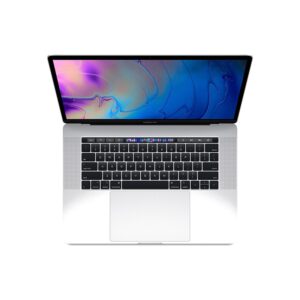
In today’s fast-paced digital world, laptops have become an essential tool for work, study, and entertainment. However, buying a brand-new laptop can be expensive, especially when you want higher specifications or premium models. That’s where refurbished laptop come into play. They often cost less while offering decent performance, but many people wonder if they’re really worth it. Let’s break down the pros and cons.
In today’s fast-paced digital world, owning a laptop has become almost a necessity, whether for work, study, or leisure. However, with the rising prices of new laptops, many consumers are exploring alternatives, such as refurbished laptops. But are refurbished laptops truly worth it?
Refurbished laptops are devices that have been returned to the manufacturer or seller for various reasons—sometimes due to minor defects, cosmetic damage, or customer returns. These laptops are repaired, tested, and restored to fully functional condition before being resold, often at a significantly lower price than brand-new models. This makes them an appealing option for budget-conscious buyers.
One of the biggest advantages of refurbished laptops is cost savings. Depending on the brand and model, buyers can save anywhere from 20% to 50% compared to the price of a new laptop. For students or professionals on a tight budget, this can be a game-changer. In addition, purchasing refurbished laptops can also be more environmentally friendly. By giving these devices a second life, it helps reduce electronic waste, contributing to a more sustainable approach to technology consumption.
However, there are some considerations to keep in mind. Not all refurbished laptops are created equal. The quality and reliability can vary depending on the seller. Laptops refurbished by the original manufacturer tend to be more reliable, as they undergo rigorous testing and come with warranties. On the other hand, third-party refurbished devices may offer lower prices but could carry a higher risk of hidden defects. Therefore, it’s crucial to buy from reputable sellers and check for warranty and return policies before making a purchase.
Another factor is the lifespan of a refurbished laptop. While most are restored to full functionality, they may not last as long as a brand-new device. Battery life, in particular, can be a concern, as older batteries may not hold a charge as well. Buyers should inquire about battery replacement options or ensure the laptop comes with a recently replaced battery.
In conclusion, refurbished laptops can be an excellent choice for those seeking affordability and sustainability, provided the buyer does their research. By purchasing from trustworthy sources and understanding the condition and warranty of the device, consumers can enjoy significant savings without sacrificing performance.
While they may not offer the same long-term reliability as new laptops, refurbished laptops remain a practical and environmentally conscious solution in today’s tech-driven world.
Posted on August 29, 2025
Categories
Recent Blogs
- How Vehicle Title Financing Works for Pensacola Borrowers
- Sal Salvo and the Value of a Strong Professional Identity
- Buy Peptides In Canada - Educational Guide to Peptide Science
- What Makes GHK-Cu an Important Subject in Peptide Research?
- Understanding the Features of a Modern Entertainment Platform
- Transparency and Accountability in Sensitive AI Chat Technology
- How Conversational AI Supports More Relevant Digital Interactions